What have you learned in your career?

During a recent interview, a prospective hire asked me a great question:

What have you learned in your career?

Here are the first lessons that came to mind:

  1. Avoid complexity. Now that I have a business, a family, and two dogs, I try to steer clear of initiatives or commitments that will overly complicate my life, my family, or the lives of our team members.
  2. Customers are better than investors. I have found it easier and more profitable to sell a small product to a customer than to sell the idea of a large product to an investor.
  3. Surround yourself with kind people. Working with jerks, prima donnas, passive aggressives, bullies, or misanthropes is painful for everyone, even if they have fantastic skills, pedigrees, connections, or resources. For me, it always ends badly. Some folks say you should only hire talented people or people who have the capacity to develop talent. To me, that’s a given. Everyone appreciates talent; too few appreciate kindness. I have found it impossible to maintain a constructive working relationship with talented but unkind people. Unkind people, regardless of their great talents, alienate kind people, and that makes a lack of kindness an insidious and destructive force that prevents a healthy company culture from flourishing (this is only my experience; it clearly works just fine for some people).

I was shooting from the hip with those answers. What are the first life lessons that you think of when you reflect on your career?
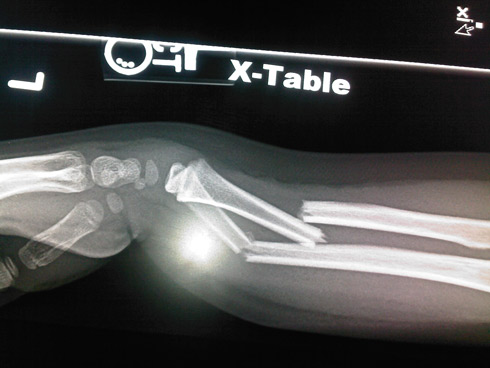
Policy is like a cast

Policies and procedures, hierarchy, and bureaucracy are similar to a cast, a brace, or a splint. They’re incredibly useful to immobilize a broken bone so that it will heal. They remove judgment from the equation: If you want to move beyond the limits of your hobble, you can’t. That sort of limitation is something you need if your culture is broken and you’re trying to help it heal, but it’s something you definitely don’t want if you’re healthy.

Earlier this year, Marissa Mayer recognized this when she began restricting Yahoo employees’ freedom to work remotely. Remote employees were struggling to be productive, and their results clearly showed it. That represented systemic failures across the board in hiring, onboarding new folks, leadership, and communication, and those failures had injured the organization so severely that the first step in repairing the damage was to introduce restrictions that would allow Yahoo’s bones to heal. If Yahoo does well, that healing will come via the departure of people who aren’t committed to the company’s success, through improved communication, through better leadership, through more selective hiring, and through more diligent onboarding.

For a healthy limb, broad range of movement is critical to strength. Artificial restrictions on motion weaken muscles, and the lack of use eventually causes bone brittleness. So if you are relying on a cast, splint, or brace to prevent injury from happening, you’re making yourself more susceptible to injury.

Once Yahoo has healed its bones, Mayer can (and hopefully will) strip off the cast, and focus on strengthening muscles.

Get some sleep

Lamenting that you can always do more leads to feeling you’re never doing enough, which leads to guilt, then stress, then loss of sleep, then sickness, then increased vulnerability to serious illness, then serious illness, then permanently impaired facilities, then an inability to do anything at all. This is a trap. Don’t fall for it. Get some sleep.